Notre Dame de Grace: A Hidden Gem in Normandy
July 15, 2025

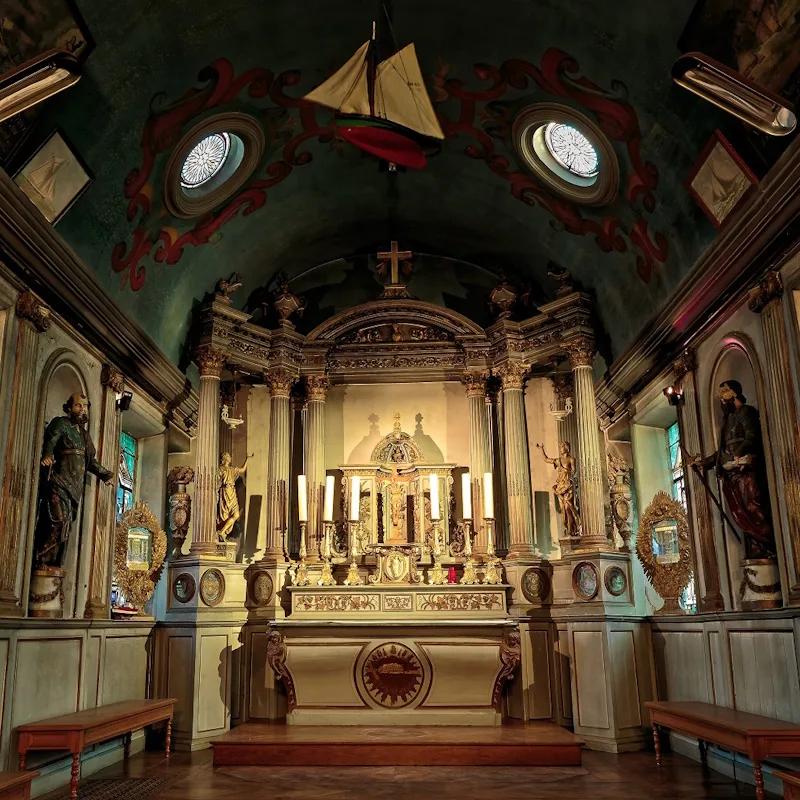
I spent about two hours exploring Notre Dame de Grace, mesmerized by the model boats and stunning panoramic views of the Seine estuary. The chapel's maritime-themed interior and its location on the Plateau de Grâce make it a unique stop between exploring Honfleur and Le Havre.
Perched on a 100-meter plateau, Notre Dame de Grace holds maritime secrets that sailors have whispered for centuries. Discover a chapel where model boats hang like silent storytellers, revealing Normandy's deep connection to the sea.
Need-to-Know Info Before Visiting Notre Dame de Grace
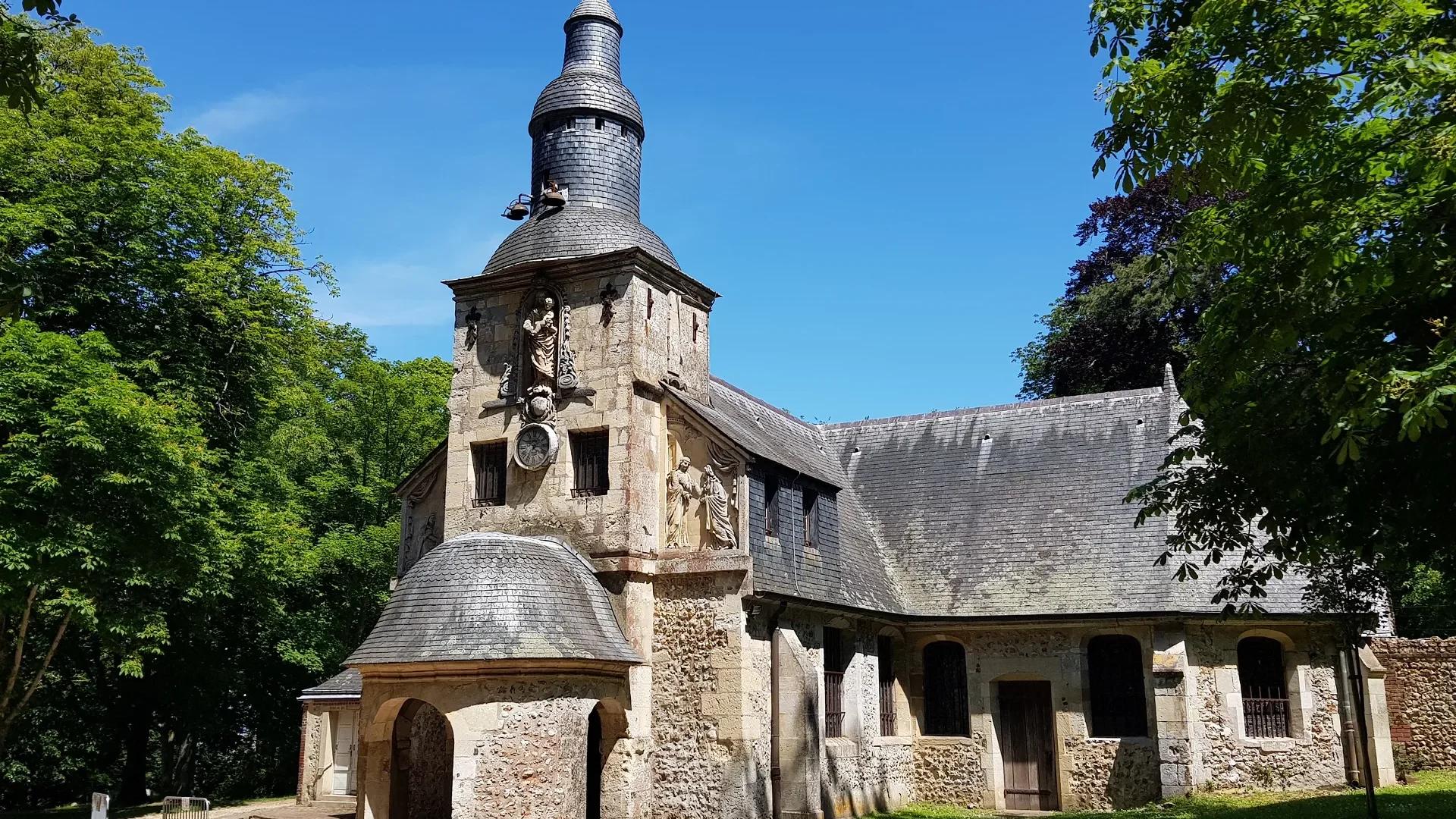
5+
images
Notre Dame de Grace Address
Plateau de Grâce, 14600 Équemauville, France
Notre Dame de Grace Opening Hours
- 🕒 Summer (April-September): 10 AM - 6 PM daily
- 🕒 Winter (October-March): 11 AM - 4 PM daily
- 🕒 Closed on major French holidays
How to get to Notre Dame de Grace
- 🚗 By car: Park at Honfleur town center, then short drive to Plateau de Grâce
- 🚌 Public transport: Honfleur bus line 2, stop at Plateau de Grâce
- 🚕 Rideshare: Taxi from Honfleur center (10-minute ride)
What is Notre Dame de Grace known for?
- Historic 17th-century chapel overlooking Seine estuary
- Unique maritime-themed interior with model boats hanging from ceiling
- Panoramic views of Honfleur, Le Havre, and Pont de Normandie
- Located on 100-meter high wooded plateau with stunning landscape
- Rare stained-glass windows depicting nautical scenes
What is Notre Dame de Grace in Honfleur?
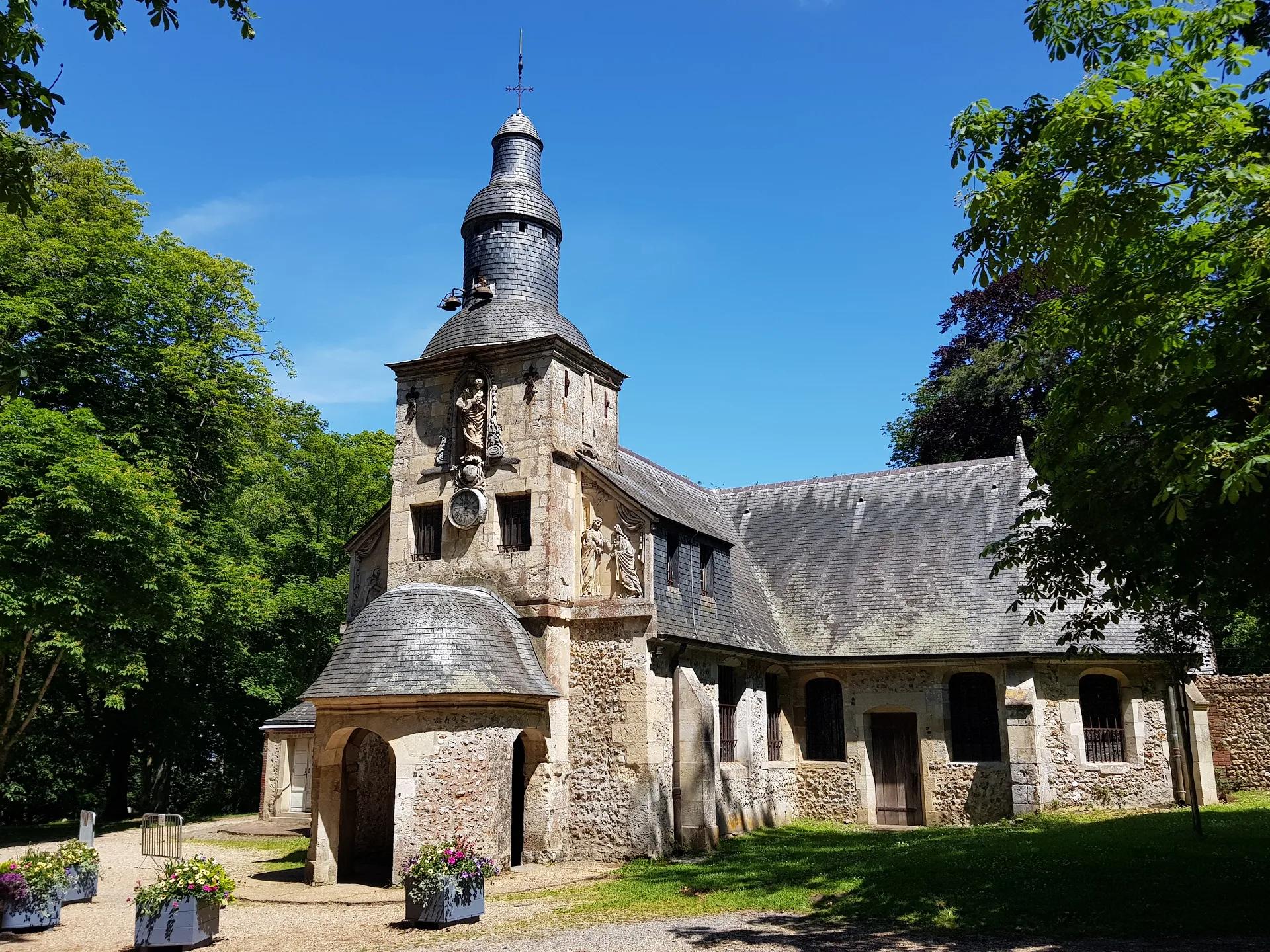
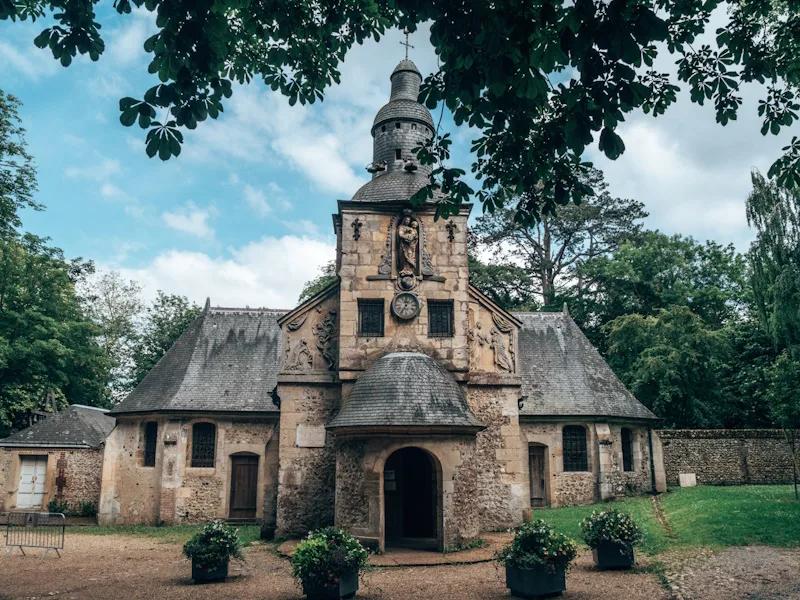
Notre Dame de Grace stands as a quiet historical landmark perched on the 100-meter high Plateau de Grâce, offering travelers a unique window into Normandy's maritime heritage. Built between 1600 and 1613, this small chapel attracts history buffs and photography enthusiasts seeking spectacular panoramic views of the Seine estuary, Le Havre, and Honfleur's surrounding landscape. Unlike crowded tourist sites, this location provides an intimate experience where visitors can explore a relatively undiscovered gem of French architectural history. The chapel's interior tells a fascinating story through its maritime-themed design, with model boats suspended from the ceiling and stained-glass windows depicting nautical scenes that reflect the region's deep connection to seafaring traditions. While not a massive tourist destination, Notre Dame de Grace appeals to travelers who appreciate understated historical sites with stunning natural backdrops. Photographers particularly love the chapel for its sweeping views and the way morning and evening light plays across the surrounding wooded plateau, making it a hidden spot for capturing memorable travel moments.
Top things to do at Notre Dame de Grace
- Explore the maritime-themed interior and admire the unique model boats suspended from the ceiling, each telling a story of Normandy's seafaring history
- Study the intricate stained-glass windows depicting nautical scenes, which offer a glimpse into the region's maritime heritage
- Take panoramic photographs of the Seine estuary, Le Havre, Honfleur, and Pont de Normandie from the chapel's exceptional viewpoint on the 100-meter high Plateau de Grâce
- Walk the surrounding wooded plateau trails, experiencing the natural landscape that provides a serene backdrop to the historic chapel
- Attend occasional local cultural events or historical presentations that sometimes take place in this historic 17th-century chapel
- Capture the changing light and atmospheric conditions that highlight the chapel's architectural details throughout the day
History of Notre Dame de Grace
- 1600-1613: Initial construction of the chapel on the Plateau de Grâce
- 17th Century: Built as a significant maritime landmark representing Normandy's seafaring culture
- Early 19th Century: Chapel becomes a notable landmark for local sailors and maritime communities
- Mid-20th Century: Recognized as a historical monument, preserving its original 17th-century architectural elements
- 2000s: Restored to maintain its historical integrity and maritime-themed interior design
Cultural Significance
Notre Dame de Grace represents more than a religious site-it's a testament to Normandy's deep maritime heritage. The chapel embodies the region's connection to seafaring traditions, with its carefully curated maritime-themed interior featuring model boats and nautical stained-glass windows. Local communities have long regarded this site as a spiritual and cultural landmark that honors the sailors and maritime workers who shaped the region's history.
Tips for Visitors
- Bring a camera to capture panoramic views of Seine estuary and surrounding landscape
- Wear comfortable walking shoes for exploring the wooded plateau
- Check local weather, as visibility can change quickly on the 100-meter high plateau
- Plan for at least 1-2 hours to fully appreciate the chapel and surrounding views
- Respect the site's historical nature-maintain quiet and avoid touching artifacts
- Best photography times are early morning and late afternoon for optimal lighting
What are some interesting facts about Notre Dame de Grace?
- Local fishermen traditionally considered the chapel a good luck charm, often bringing miniature boat models as offerings to ensure safe voyages
- The chapel's unique location on the Plateau de Grâce was strategically chosen to provide sailors with a visual landmark and navigation reference point
- Some of the model boats hanging from the ceiling are authentic historical vessels donated by local maritime families, representing generations of seafaring tradition